Rare Bromeliad Species: Discover the Hidden Gems of the Plant WorldConclusion
Bromeliads are a fascinating family of plants, known for their striking colors, unique shapes, and easy care. But did you know that there are many rare bromeliad species that are even more stunning and fascinating than their more common cousins? In this article, we'll explore some of the most rare and beautiful bromeliads in the world, from their origin to their unique features and how to care for them.
Origins of Rare Bromeliad Species
Rare bromeliad species come from all over the world, from tropical rainforests to arid deserts. Some of the most popular species include:
- Tillandsia caput-medusae
- Aechmea recurvata var. benrathii
- Neoregelia johannis
- Vriesea splendens
- Guzmania sanguinea
Each species has its own unique characteristics, such as leaf shape, flower color, and growth habits. Some grow in the ground, while others are epiphytes, meaning they grow on trees and other plants.
Unique Features of Rare Bromeliad Species
Rare bromeliad species have many unique features that make them stand out from other plants. Some of these features include:
1. Colorful Leaves
Many rare bromeliad species have leaves that are brightly colored, ranging from deep greens and blues to oranges and pinks. These colors can be solid or striped, and often change depending on the lighting conditions.
2. Unusual Shapes
Bromeliads come in many different shapes, from tall and spiky to low and rosette-like. Rare species often have even more unusual shapes, such as spirals, curls, and twists.
3. Striking Flowers
Bromeliads are known for their beautiful flowers, which come in a wide range of colors and shapes. Rare species often have even more striking flowers, with unusual textures and patterns.
4. Easy Care
Despite their exotic appearance, many rare bromeliad species are actually quite easy to care for. They require minimal water and fertilizer, and can be grown indoors or outdoors depending on the species.
How to Care for Rare Bromeliad Species
Caring for rare bromeliad species is similar to caring for other bromeliads. Here are some tips to help your rare bromeliads thrive:
- Water sparingly: Bromeliads prefer to be kept on the dry side, so only water when the soil is completely dry.
- Provide bright but indirect light: Most bromeliads prefer bright, filtered light, but direct sunlight can burn their leaves.
- Use well-draining soil: Bromeliads don't like to sit in water, so use a well-draining soil mix that allows excess water to drain away.
- Fertilize sparingly: Bromeliads don't require much fertilizer, so only fertilize once every few months with a balanced, water-soluble fertilizer.
Frequently Asked Questions
1. Are rare bromeliads difficult to grow?
Not necessarily. While some rare bromeliads may have specific requirements for temperature, humidity, and light, many are quite easy to care for and can be grown by beginners.
2. Can rare bromeliads be grown indoors?
Yes! In fact, many rare bromeliads make great houseplants, as they don't require much space, light, or water.
3. Do rare bromeliads require special soil?
Most bromeliads prefer well-draining soil mixes that allow excess water to drain away. However, some species may have specific soil requirements, so it's best to research the needs of each individual plant.
4. How often should I water my rare bromeliads?
Bromeliads prefer to be kept on the dry side, so only water when the soil is completely dry. Depending on the species and growing conditions, this may range from once a week to once a month.
5. Can rare bromeliads be propagated?
Yes! Many bromeliads can be easily propagated by removing offsets or pups that grow from the base of the parent plant. These can be rooted in soil or water and grown into new plants.
6. Are rare bromeliads toxic to pets?
Some bromeliads can be toxic to pets if ingested, so it's important to research the toxicity of each individual species before bringing it into your home.
7. What temperature range do rare bromeliads prefer?
Most bromeliads prefer temperatures between 60 and 80 degrees Fahrenheit, although some species may have specific temperature requirements.
8. Do rare bromeliads require special lighting?
Most bromeliads prefer bright, filtered light, but direct sunlight can burn their leaves. Some species may have specific lighting requirements, so it's best to research the needs of each individual plant.
9. Do rare bromeliads bloom regularly?
Many bromeliads are known for their beautiful blooms, which can last for several weeks or even months. Some species may bloom more frequently than others, depending on their growing conditions.
10. How long do rare bromeliads live?
Most bromeliads have a lifespan of several years, with some species living up to 20 years or more. The lifespan of a bromeliad depends on its species, growing conditions, and care.
Rare bromeliad species are some of the most fascinating and beautiful plants in the world. From their unique shapes and colors to their easy care and striking flowers, these plants are sure to add a touch of exotic beauty to any collection. Whether you're an experienced gardener or a beginner, there's a rare bromeliad species out there waiting to be discovered.
11 Rare bromeliad species Images

Bromeliad Vriesea Bromeliads Plant Leaves Plants

Matchstick Bromeliad Plant Picture Of Aechmea Bromeliad

24 Best Images About Drought Tolerant Tropical Plants On Pinterest
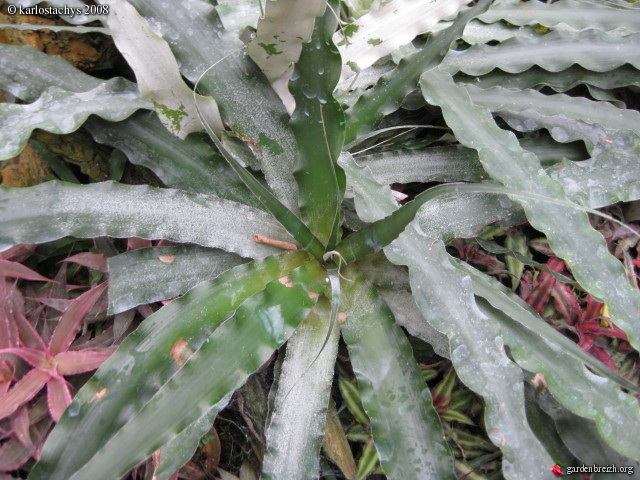
1000 Images About Bromeliad Species On Pinterest Plants Google And

Pin On Bromeliads Are The Coolest

Pin By Greg Lloyd On NeoBrom Unusual Plants Bromeliads Rare Flowers

Alcantarea Odorata Bromeliads Tropical Garden Plant Combinations

17 Best Images About Bromeliads On Pinterest Gardens Tropical

Neoregelia Hybrid Bromeliad Bromeliads Exotic Plants Pinterest

Bromeliad Aechmea Manzanaresiana Bromeliads Flower Photos Flowers
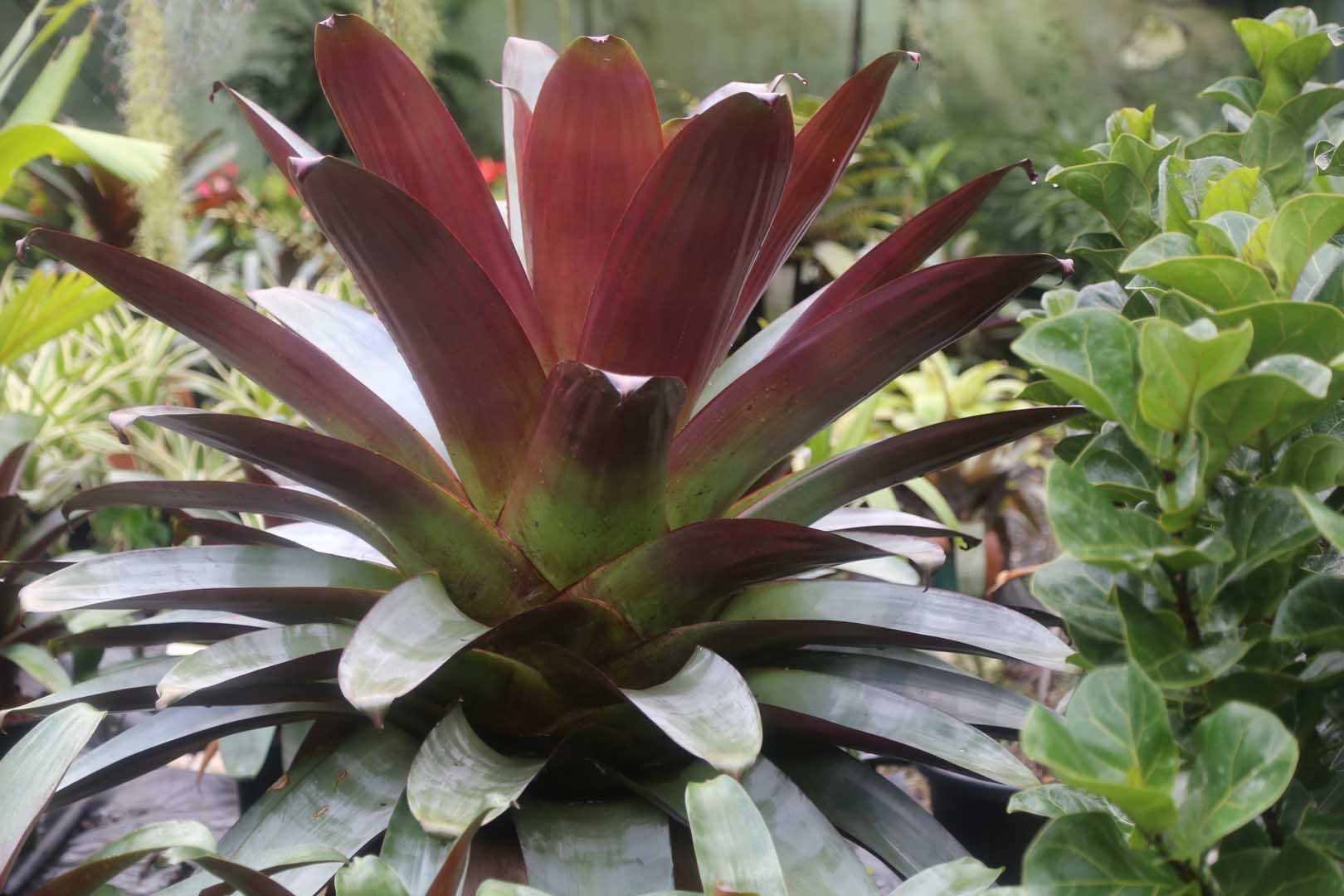
Bromalcan004 Bromeliads Plants Indoor Bonsai
Post a Comment for "Rare Bromeliad Species: Discover the Hidden Gems of the Plant WorldConclusion"